In an era of advancing technology and innovation, the marine industry continues to prioritise safety as its cornerstone. Among the array of life-saving devices, pyrotechnic distress signals remain an essential and trusted tool for ensuring maritime safety. These signals, which are unparalleled in their ability to attract attention in critical situations, are divided into two categories: distress pyrotechnics, including hand flares, rocket parachute flares, and buoyant smoke signals; and operational pyrotechnics, such as Linethrowers, which serve as essential, mobile systems for casting lines between vessels or to shore.
- Global Regulatory Standards, A Commitment to Safety
- The universal reliance on pyrotechnic distress signals is supported by robust international regulations that emphasise their importance in marine safety.
- Safety of Life at Sea (SOLAS) Convention
- This global standard ensures that distress equipment meets rigorous performance criteria, including visibility and durability in harsh marine environments.
- Marine Equipment Directive (MED)
- In Europe, the MED requires commercial vessels to use distress signals bearing the Wheel Mark, signifying compliance with stringent safety and performance requirements.
- International Regulations for Preventing Collisions at Sea (COLREGS)
- Annex IV mandates that vessels carry equipment to signal distress, with specific requirements tailored to vessel type and operation.
- United States Coast Guard (USCG) Regulations
- The USCG mandates that all vessels operating in US waters carry distress signals approved under federal regulations, ensuring compatibility with SOLAS standards.
- Australian Maritime Safety Authority (AMSA)
- AMSA enforces strict compliance with the National Standard for Commercial Vessels (NSCV), which aligns with SOLAS and COLREGS. Australian regulations also emphasise the carriage of flares in remote coastal regions.
These frameworks underline the universal acceptance of pyrotechnic signals as indispensable tools for maritime safety.
Unrivalled Benefits of Pyrotechnic Signals
Pyrotechnic signals have stood the test of time due to their unequalled visibility, reliability, and compliance with international standards.
- Visibility: Pyrotechnic flares are hundreds of times brighter than LEDs and can be seen across great distances, even in adverse weather conditions, and are universally recognised as a distress signal – ensuring rapid detection and response in emergencies.
- Reliability: Pyrotechnics work independently, requiring no external support, and are designed to operate in extreme marine environments, making them highly dependable in emergencies.
- Compliance: Products from trusted brands like Pains Wessex and Comet meet or exceed MED, SOLAS, and USCG standards, ensuring performance under critical conditions.
Ideal for the ‘Last Mile’ in Search and Rescue
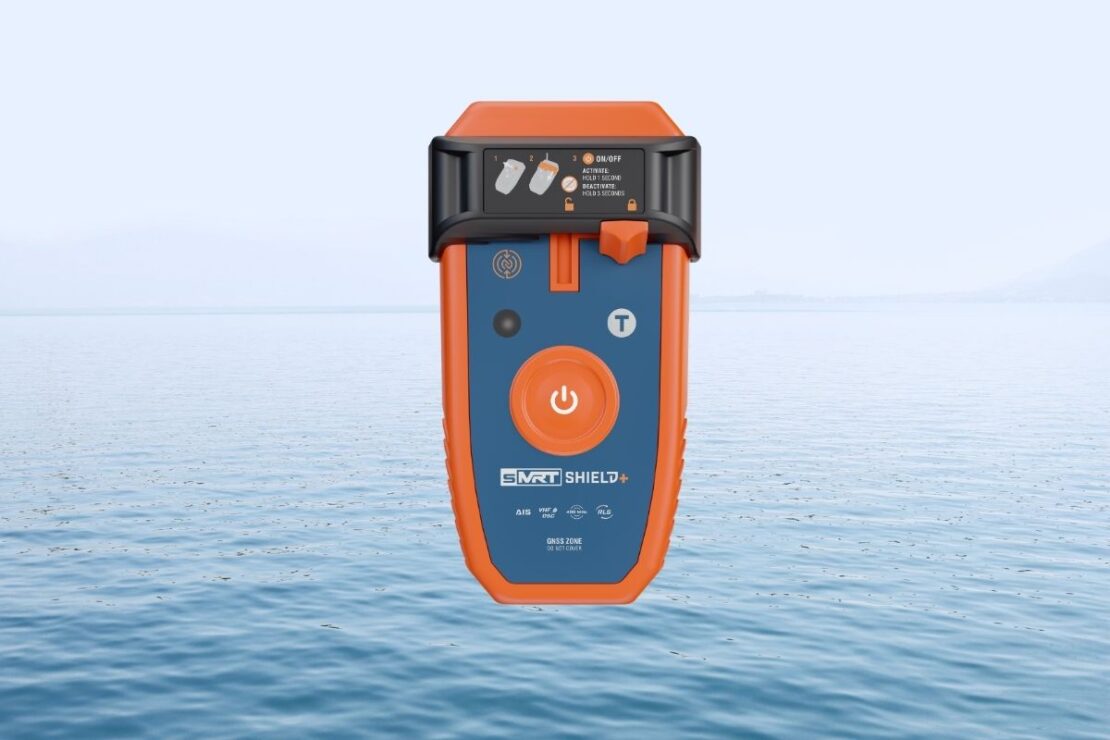
Pyrotechnic distress signals play a crucial role in the “last mile” of search and rescue operations. While electronic devices like EPIRBs and PLBs provide vital location tracking and long-range alerts, pyrotechnics deliver immediate visual confirmation of a vessel or person in distress. Flares and smoke signals help rescuers pinpoint exact locations, especially in low-visibility or high-traffic scenarios where rapid identification is essential. This dual approach of electronic alerts and pyrotechnic signals ensures the most effective response, bridging the gap between detection and rescue.
Pyrotechnic Distress Signals, Beyond Maritime Emergencies
While pyrotechnic distress signals are synonymous with maritime safety, their applications extend far beyond the sea. These versatile tools play a crucial role in mountain rescue, aviation emergencies, and remote land-based operations, where their intense visibility can guide rescuers to those in distress. In challenging terrains like snowy mountains or dense forests, flares and smoke signals cut through environmental barriers, ensuring quick and accurate identification of a rescue location. Whether it’s a stranded hiker, a downed aircraft, or an off-road expedition gone wrong, pyrotechnic signals remain indispensable, providing lifesaving visibility in critical moments across various environments.
This adaptability reaffirms their status as an essential component of comprehensive emergency preparedness, emphasising their reliability in saving lives both on land and at sea.
Linethrowers for Power, Reliability, and Mobility
Linethrowers are powerful and reliable tools, the Pains Wessex and Comet 250 are designed to excel in critical operations with exceptional ease of use. Mandated by SOLAS, they offer crews a vital resource for emergency scenarios. Engineered for reliable performance in extreme weather, they ensure precise and rapid line deployment. Ideal for ship-to-ship, ship-to-shore, and rescue missions, linethrowers are also highly effective in aiding swimmers in distress and transporting lines across obstacles or rough terrain. A trusted choice for enhancing safety and operational efficiency both at sea and on land.
Innovating Without Compromising Reliability
Leading the industry, Pains Wessex and Comet Marine consistently demonstrate a commitment to innovation while maintaining the reliability of traditional pyrotechnics. These brands, part of Wescom Group, focus on meeting evolving regulatory standards while incorporating advancements in safety and usability. Recent developments include enhanced safety features to minimise handling risks.
The Case for Pyrotechnics in a Modern World
Despite the rise of electronic alternatives like Emergency Position Indicating Radio Beacons (EPIRBs) and Personal Locator Beacons (PLBs), pyrotechnic distress signals remain irreplaceable. While electronic systems excel in global positioning and continuous tracking, they do not replace the instant visual impact of a flare or smoke signal, particularly in crowded maritime environments or remote regions.
When used together, pyrotechnics and electronic systems form a comprehensive safety solution, maximising the chances of swift rescue.
A Unified Commitment to Safety
As the marine industry continues to evolve, Wescom Group brands like Pains Wessex and Comet demonstrate the balance between innovation and tradition. Through compliance with global regulations, a focus on reliability, and the integration of new safety technologies, they reaffirm their dedication to protecting lives at sea.
Mariners and regulators alike recognise that pyrotechnic distress signals are not just tools, they are lifelines. As advancements emerge, these trusted devices will remain an integral part of maritime safety, offering a beacon of hope when it matters most.
For more information on Pains Wessex and Comet’s industry leading pyrotechnic products, visit their websites:
The post The Enduring Importance of Pyrotechnic Signals in the Marine Industry appeared first on Wescom Group.