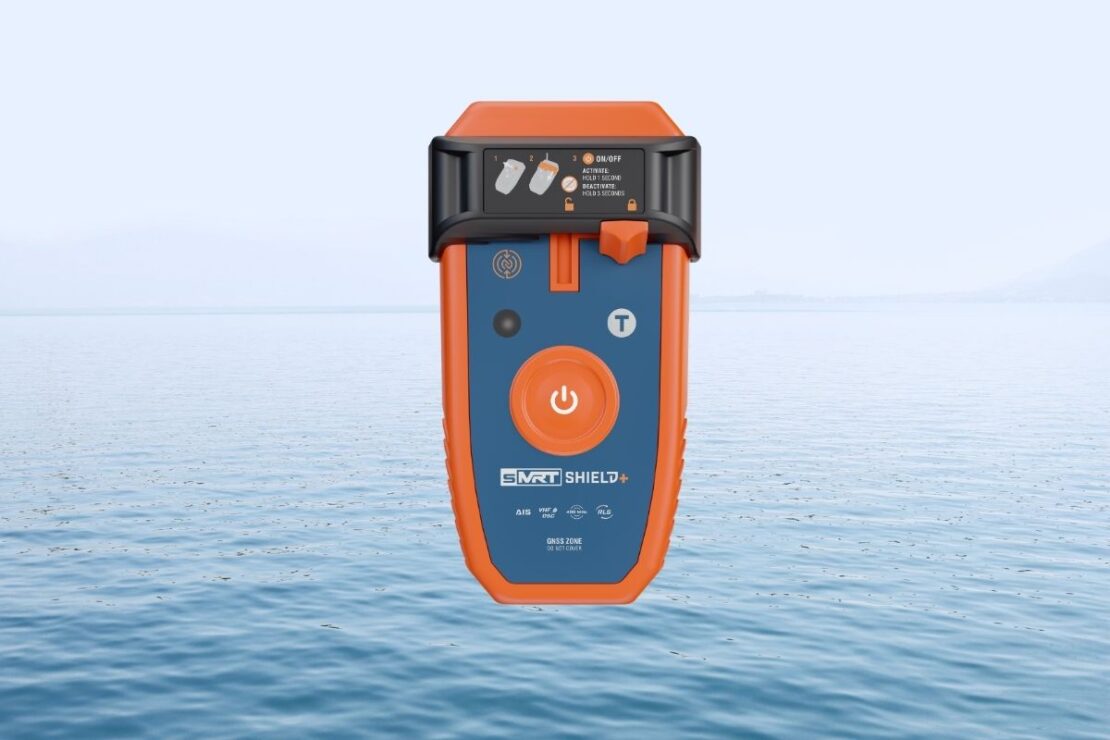
A new D-Class inshore lifeboat, Looe RNLI’s Ollie Naismith II, is equipped with a full range of marine safety equipment, including Pains Wessex illuminating flares.
The naming ceremony and service of dedication for the new lifeboat took place on 18 June outside Looe RNLI Lifeboat Station on East Looe seafront. Ollie’s father, John Naismith, will hand the boat into the care of the RNLI. Ollie’s mother Maxine Naismith will carry out the official naming.
The Looe Lifeboat Appeal began in March 2021 aiming to raise £78,000. When it closed a year later, it had raised £111,000. Ollie Naismith II replaces the current D-Class Ollie Naismith, which has reached the end of its operational life. The extra money will be used to meet operational costs.
Ollie Naismith II was built in the Autumn of 2022 at the RNLI’s inshore lifeboat centre in Cowes on the Isle of Wight. After arriving in Looe for sea trails, the new lifeboat was placed on service on 19 November 2022.
Delighted with arrival of Ollie Naismith II
Looe RNLI Lifeboat Operations Manager, Dave Haines, says, “Looe RNLI is delighted with the arrival of the Ollie Naismith II. The D-Class is an incredibly versatile lifeboat, capable of speeds up to 25 knots. The D Class has the ability to deal with strong surf conditions, giving our crews the confidence to undertake rescues close to shore, amongst the rocks and gullies, as well as responding to incidents along the navigable parts of the East and West Looe rivers above the bridge. We are extremely grateful to the community of Looe and supporters from further afield who undertook all manner of fundraising activities or made donations to the appeal.”
During her service, Ollie Naismith has launched 236 times, assisting 168 people and saving eight lives. Ollie Naismith II has already launched three times, assisting five people and a dog.
With a top speed of 25 knots, the D-Class lifeboat can spend three hours at sea at this speed on search and rescue missions. This is a crucial factor when lives are at risk.
The D-Class can access areas inaccessible to the charity’s all-weather lifeboats, such as close to cliffs, rocks and inside caves. It is ideal for rescues in fair to moderate conditions and particularly in big surf.
Most D-Class lifeboats are launched from a trolley with the help of a launch and recovery vehicle. They can also be lowered into the sea using a davit system (a shore-mounted crane).
The image is credit of RNLI/Ian Foster.
The post New RNLI lifeboat carries Pains Wessex illuminating flares appeared first on Wescom Group.