What Is Class M and How Will It Impact Marine Safety?
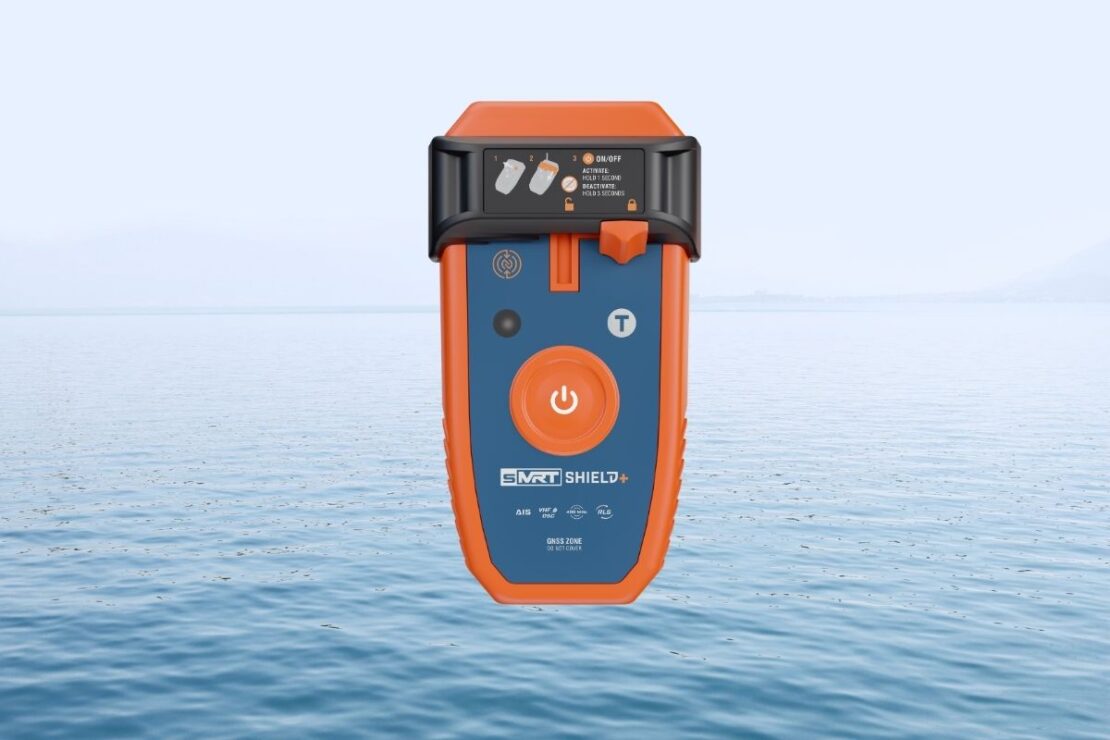
Class M is a regulation that aims to improve safety at sea. Introduced by the European ECC (Electronic Communications Committee) under ECC/DEC/(22)02, Class M focuses on AIS (Automatic Identification System) Man Overboard (MOB) devices. This means that from 1st January 2025, only Class M-compliant devices will be permitted for use in a number of European countries.
What’s the reason behind it
AIS MOB devices are a crucial piece of safety equipment, designed to locate and rescue individuals who have fallen overboard. These devices transmit distress signals to nearby vessels equipped with receiving technology, alerting them of an emergency situation. However, the increasing number of non-distress devices, such as buoy and fishing net markers operating on AIS frequencies has led to channel overloading. When AIS frequencies become congested, AIS MOB devices become less effective as a life-saving piece of equipment.
Enter Class M
The Class M legislation streamlines AIS usage prioritising safety-critical devices. The regulation divides AIS MOB devices into two groups: Group A and Group B.
- Group A: Devices that actively enhance navigation safety, including Class M MOB devices equipped with Digital Selective Calling (DSC).
- Group B: Devices that do not directly contribute to navigation safety, such as certain diver-locating devices and fishnet markers.
From 2025 onwards, and in countries that have implemented the legislation only Group A devices will be permitted to operate on key AIS frequencies (AIS 1, AIS 2, and DSC Channel 70) in participating European countries. This ensures AIS channels are clear for e for life-saving equipment, reducing interference and improving reliability.
Why Class M Matters for Safety
A defining feature of a Class M MOB device is its ability to transmit both AIS and DSC signals. DSC provides an additional layer of safety by sending a digital distress alert directly to a vessel’s VHF radio. This ensures the crew is immediately informed of an overboard situation, even if they are not actively monitoring the AIS system.
Class M devices must also include built-in GNSS for precise location tracking and the ability to cancel alerts once acknowledged. This prevents multiple alarms from cluttering communication channels and allows resources to focus on genuine emergencies.
For sailors, skippers, and crews, these features could mean the difference between a swift recovery and a prolonged, more hazardous search operation. By adopting Class M-compliant devices, the marine industry is taking a vital step towards improving safety at sea.
Practical Implications for Vessel Operators
If you operate a vessel under the flag of a country that has implemented the new regulation, ensuring your personal AIS MOB devices are Class M-compliant is essential. This requirement applies to commercial vessels, fishing boats, and leisure craft alike.
In the UK, the Maritime and Coastguard Agency (MCA) has stated that “Any crew not wearing a PLB are strongly recommended to wear a Class M VHF DSC MOB (Man Overboard) with AIS69 and a light” in The Workboat Code Edition 3, published January 22nd, 2025. This dual approach maximises worker safety, as PLBs can alert search and rescue authorities directly in areas with limited VHF coverage.
The Bigger Picture
Class M is more than just a regulation; it’s a shift in maritime safety. Overloading AIS channels is not merely an inconvenience – it’s a genuine safety concern. By reducing interference and focusing on safety-critical devices, this regulation aims to make maritime navigation safer for everyone.
Countries such as Denmark, France, Ireland, and Italy have already adopted, with others considering adoption. While this initiative is currently European, its principles could eventually extend worldwide.
A Safer Future for All
At its heart, the Class M standard is about advancing technology that will save lives. It ensures that when someone goes overboard, their signal is heard, cutting through the noise to reach those who can help. For vessel operators, transitioning to Class M may involve some initial costs, but the long-term benefits in terms of safety and reliability are invaluable.
The post Class M, The Future of AIS MOB Safety, What You Need to Know appeared first on Wescom Group.